UN officials from the refugee agency, World Health Organization, and the United Nations Mine Action Service issued grave warnings on Friday regarding the escalating crisis in Sudan.
The conflict began in 2023 between the military and the rival paramilitary group Rapid Support Forces (RSF), previously allies tasked with overseeing a democratic transition after the 2019 uprising. The fighting has led to at least 40,000 deaths and displaced 12 million people, according to the World Health Organization, though aid organizations suggest the actual death toll may be significantly higher.
Last month, the RSF captured el-Fasher, the capital of North Darfur, violently storming the local Saudi Hospital and resulting in over 450 fatalities. Eyewitness accounts from aid workers and displaced residents describe house-to-house killings and sexual assaults perpetrated by RSF fighters.
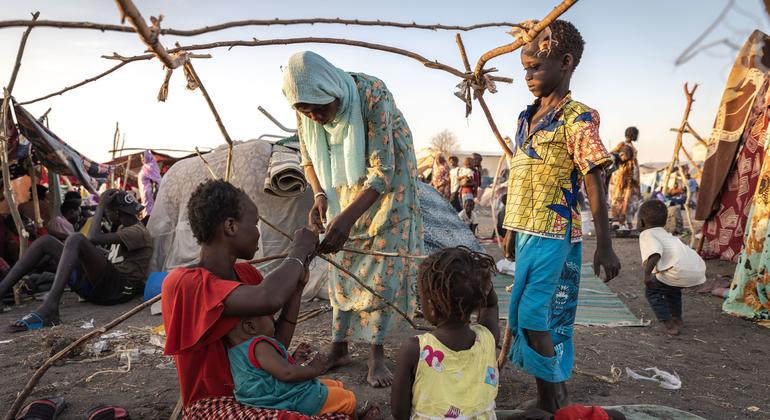
The UN High Commissioner for Refugees reported that around 90,000 people fled el-Fasher and its surrounding areas in just two weeks. Jacqueline Wilma Parlevliet, Head of the Sub Office in Port Sudan, conveyed concerns for those stranded and unable to move due to safety risks.
Christian Lindmeier from the World Health Organization highlighted a worsening food crisis, warning that over 21 million individuals are experiencing severe food insecurity, with famine conditions confirmed in certain regions. He noted that a lack of access to basic healthcare has resulted in numerous deaths and an alarming rise in cholera cases.
Sediq Rashid of UNMAS reported increasing casualties from mines and unexploded ordnance, particularly in urban areas affected by the violence.
On Friday, the Human Rights Council in Geneva unanimously passed a resolution urging independent experts to conduct an urgent investigation into the killings and human rights violations in el-Fasher attributed to the RSF.
SOURCE: AFRICA NEWS.COM